

Addressing financial trauma through community and game.
I interned at ForOurLastNames (FOLN) as the external to internal UI/UX designer to spearhead the user experience and design of the app’s community pages, whilst innovating gamification elements and discussion-centered forums.
Who is FOLN?
FOLN is a fintech startup committed to addressing financial trauma and closing the financial literacy gap among underrepresented communities through…
problem
The CEO had a lot of big ideas for FOLN's community pages. It was my first priority to understand the common denominator across all of her ideas and turn them into tangible business goals I can tackle.
To combat this challenge of ambiguity, I went through multiple rounds of discussion across the CEO and product partners, gathering existing user data and clarifying my interpretation of the project requirements.
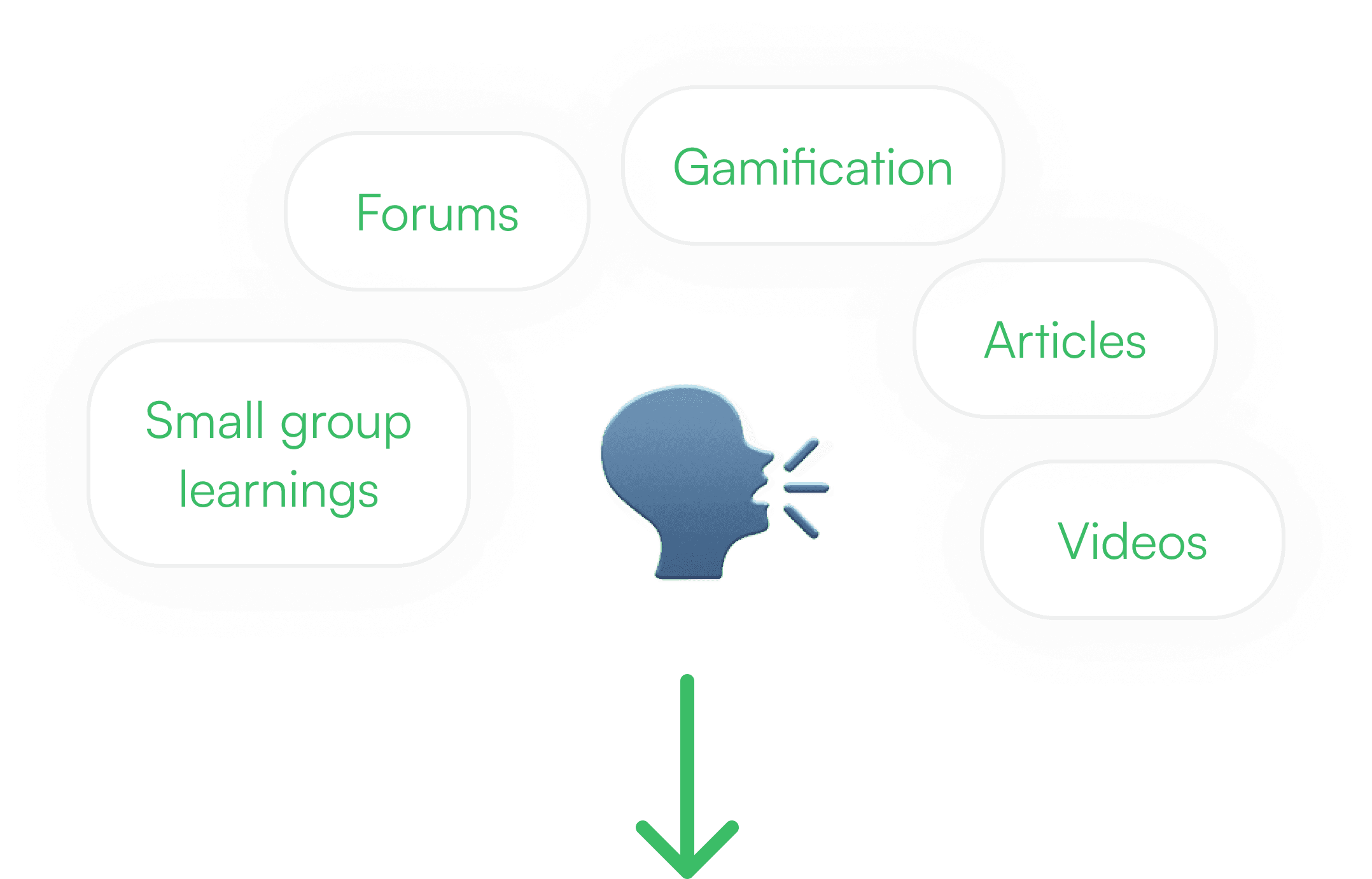
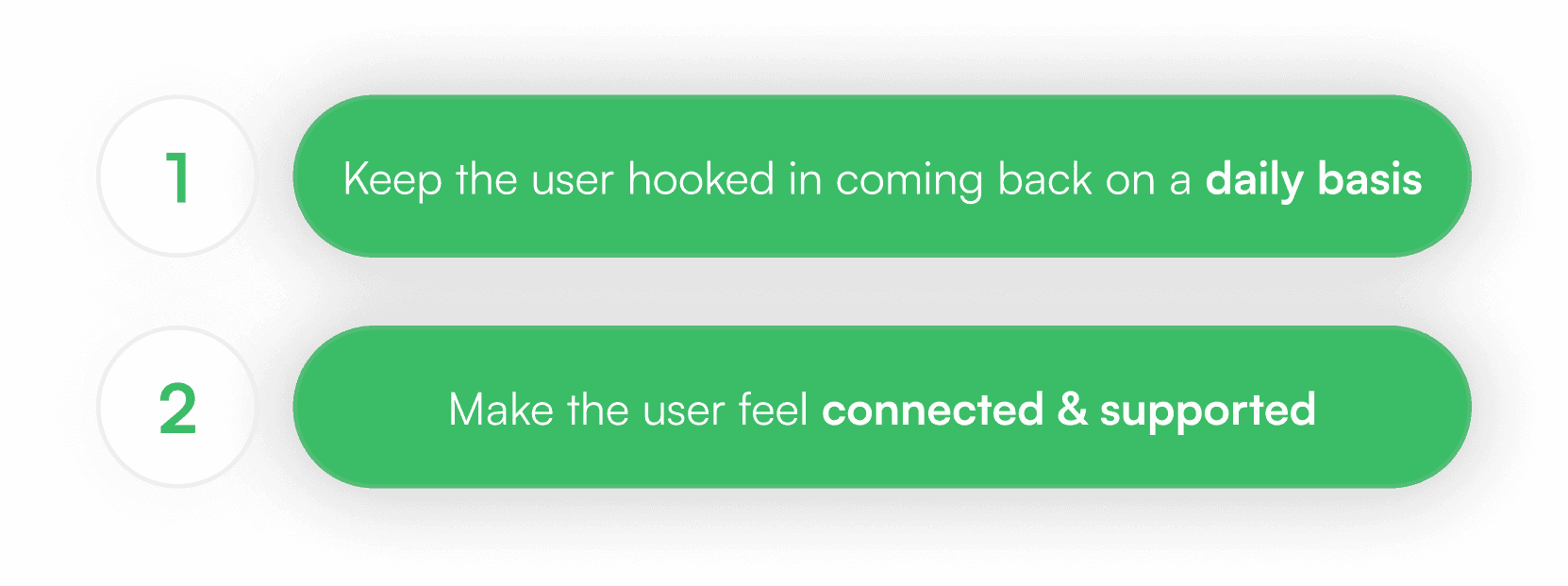
I eventually learned that FOLN's community business goals are…
My Goal
Now knowing the business' goals, I can better understand my specific goal…
How can we address the symptoms of financial trauma to empower first-generation investors to stay financially informed within an engaging, and supportive community?
Understanding the User
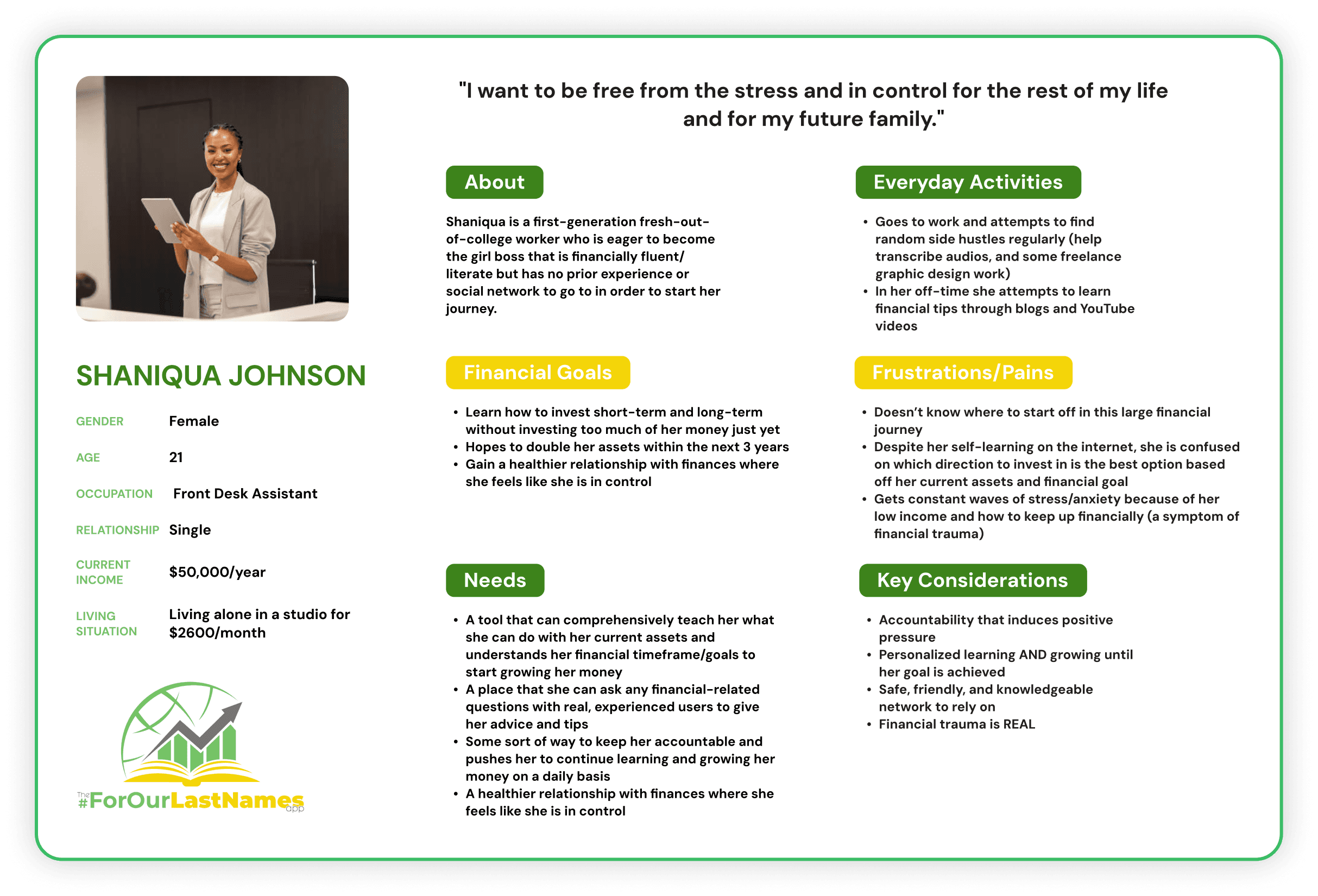
But who is a "first-generation investor?" What is our target user really like? I built a user persona to not only identify our target user but also empathize in what situations would our target user be in and what of their specific needs should be addressed.
Based on existing company data and research, my persona is on Shaniqua — the ideal user to use FOLN:
Main Pain Points
Through the lens of Shaniqua, I found two main user pain points that she and others like her needs addressed:
Users struggle to stay motivated in continuing to learn
Users feel alienated during financial hardships
research
These research methods helped inform the iterative ideation and design process:
synthesize
Flow of Features
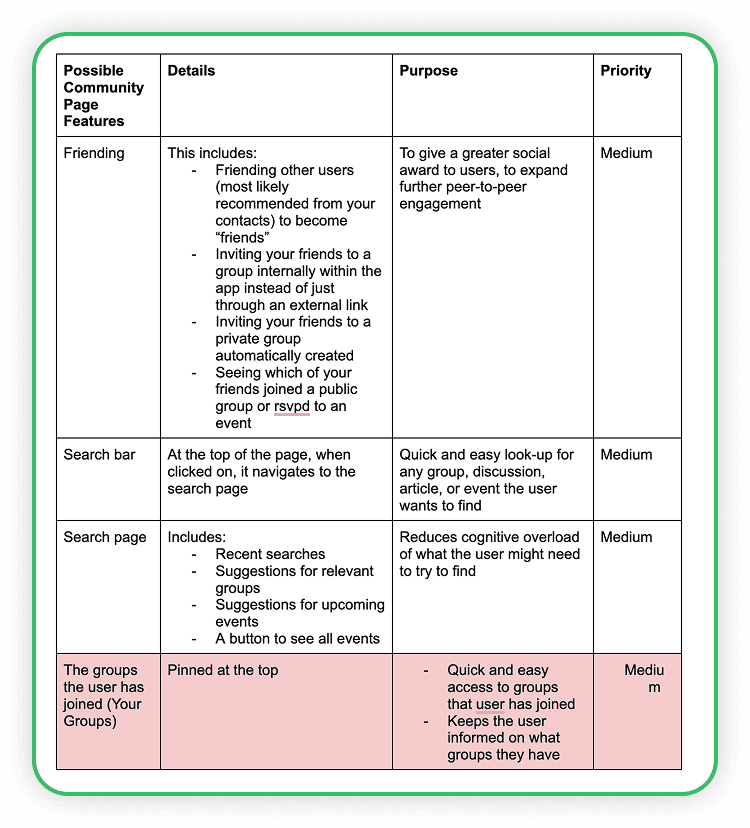
I took those user pain points and research into ideating various community features and gamification elements which were then narrowed down from supervisor feedback. These were well documented.
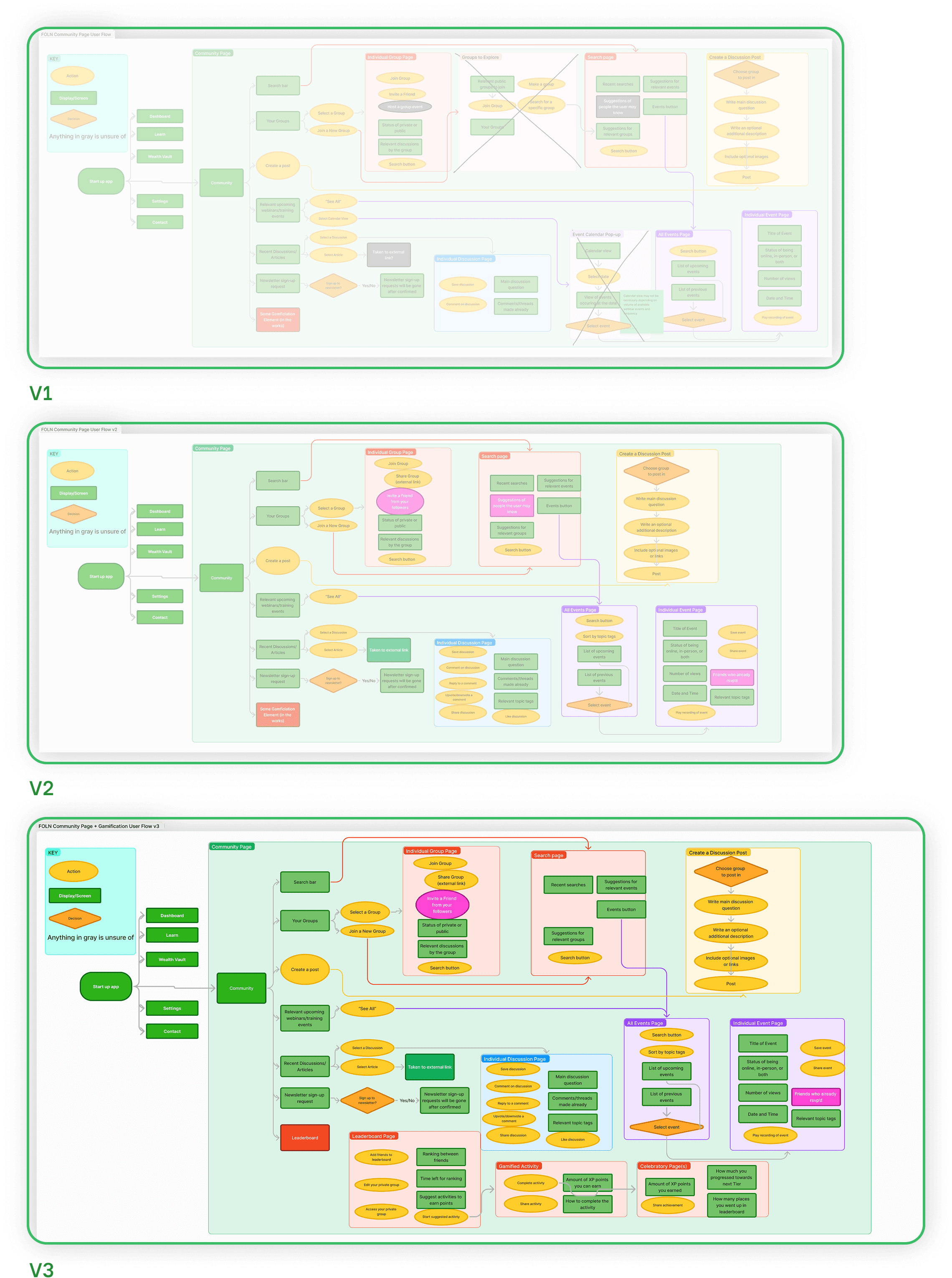
To further validate these features, I visualized the architecture of them through user flow iterations. How will these features be implemented and navigtated through, and is it worth it towards our goal?

challenges
Stakeholders didn’t always submit their feedback on time.
At this point I slowly started to understand some key constraints within my project.

Design more. Learn more.
Instead of waiting, I designed multiple versions, focusing on what the stakeholders priotize most: their business goals. When it came time for feedback, showing more designs helped produce richer feedback from the CEO, COO, and engineer, and better communciate my design decisions.
Respect their time and feedback.
With each internal design review we had, I should be concise and clear with my updates. I wanted to show them that any of their help is a valuable impact on my designs, so I also iterated in real-time based on their feedback to address their goals.
design
I want fresh and engaging opportunities for users to learn through community pages, not just through the app's exisitng lesson plans
I want some way for users to be kept accountable through small group settings
Dashboard elements that accomplish business goals
[dashboard]
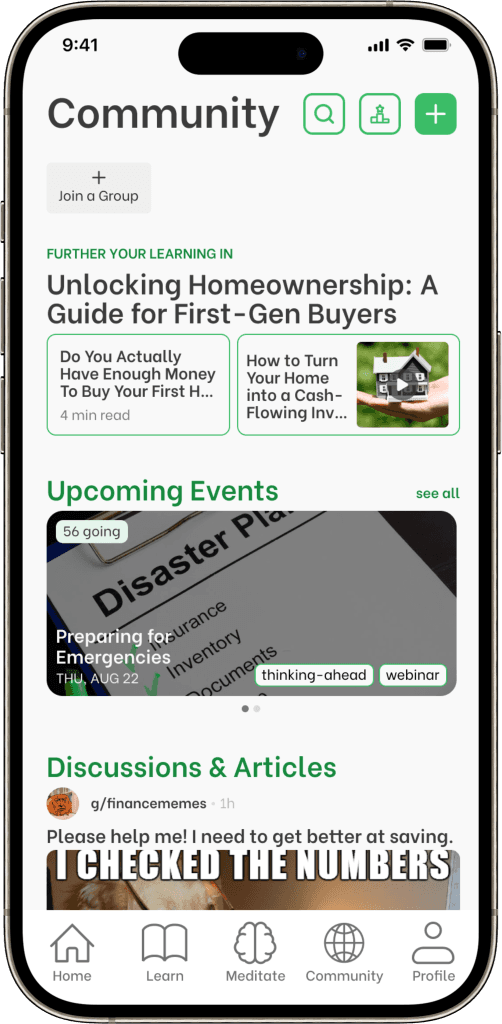
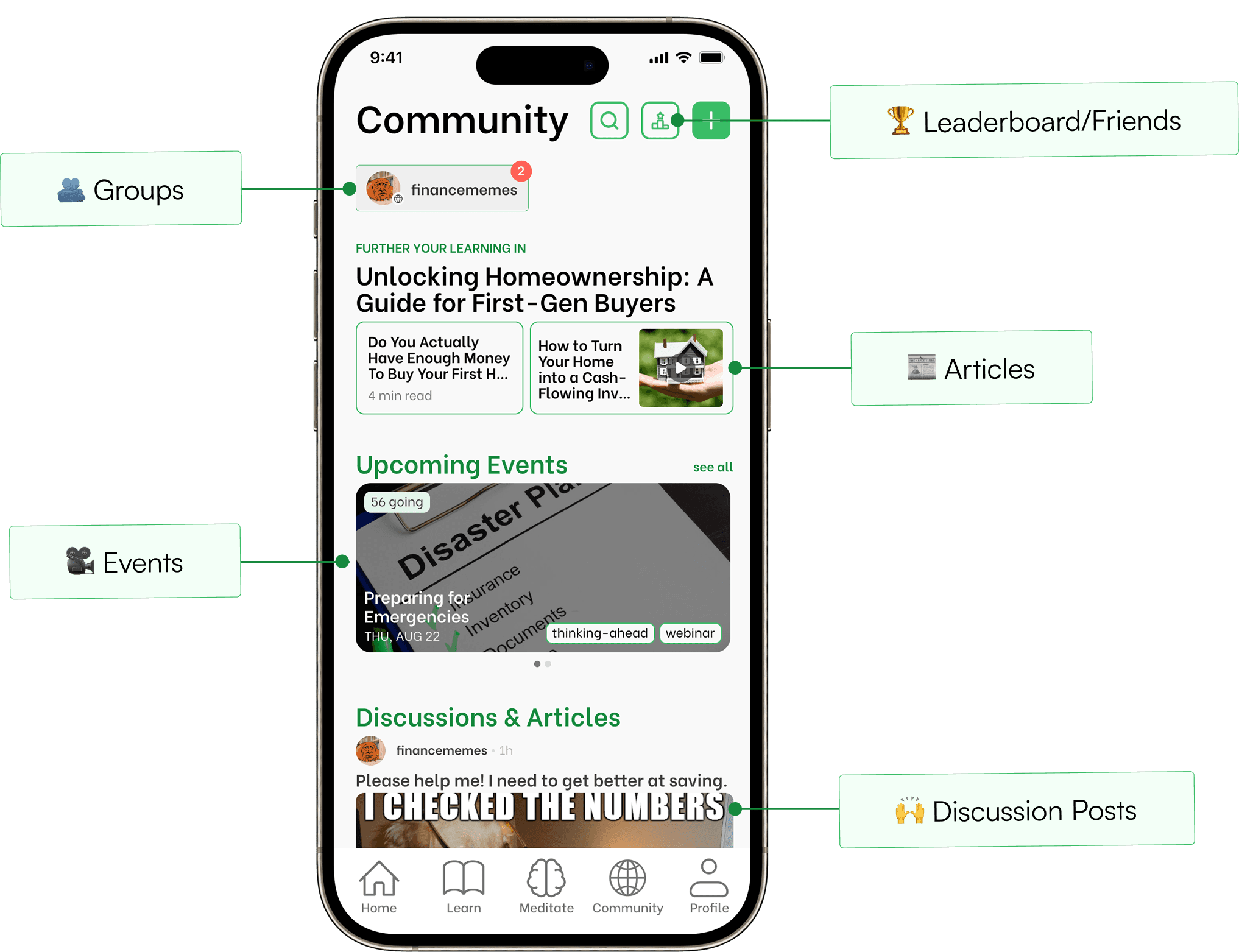
To provide fresh and engaging opportunities to learn, I ideated a community dashboard in a personalized, multi-modal format — focusing on the business goal of a daily user retention rate.
All dashboard elements are navigable within one frame. No need to scroll.
Iterating through limited
mobile space
[dashboard]
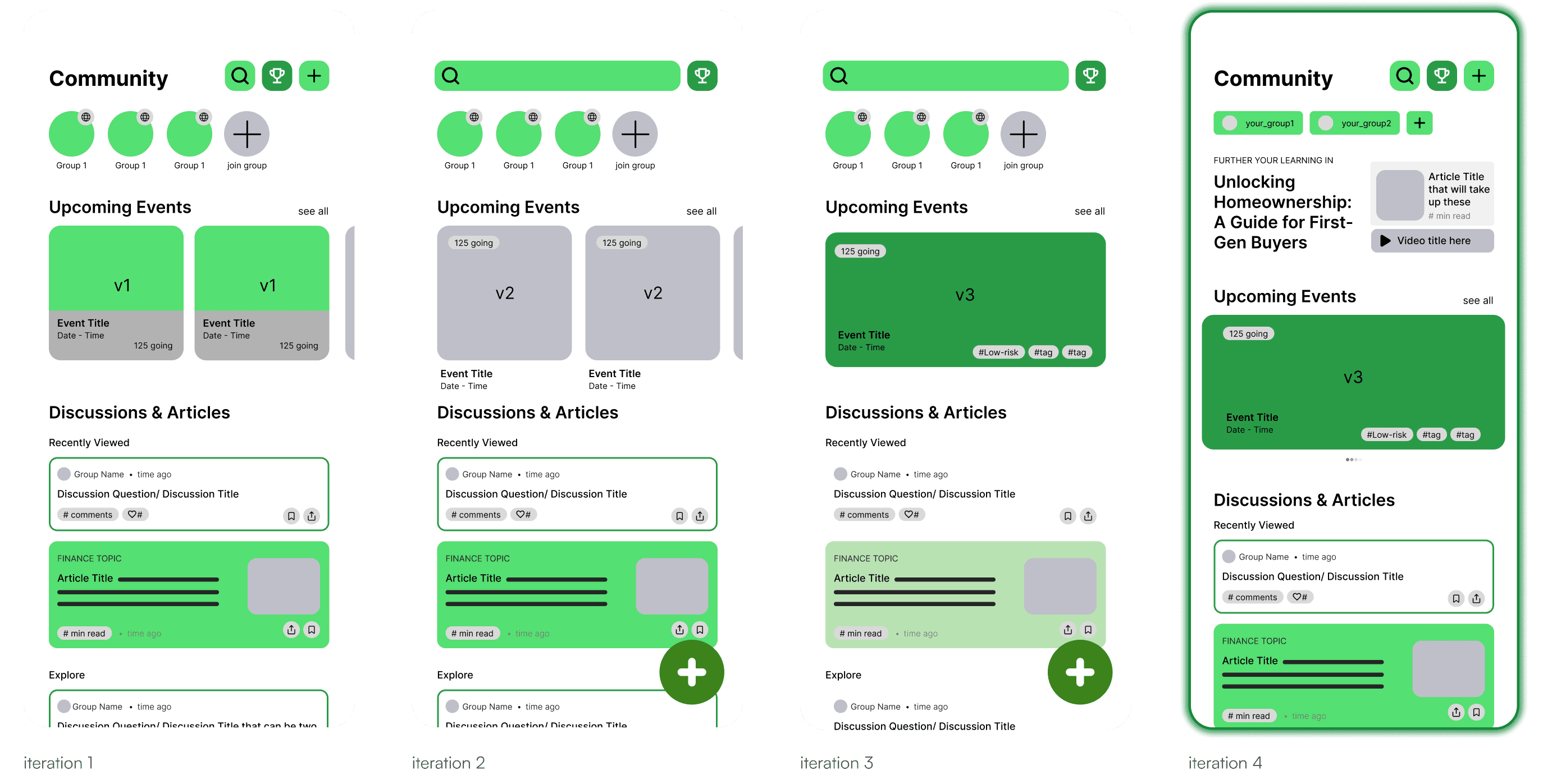
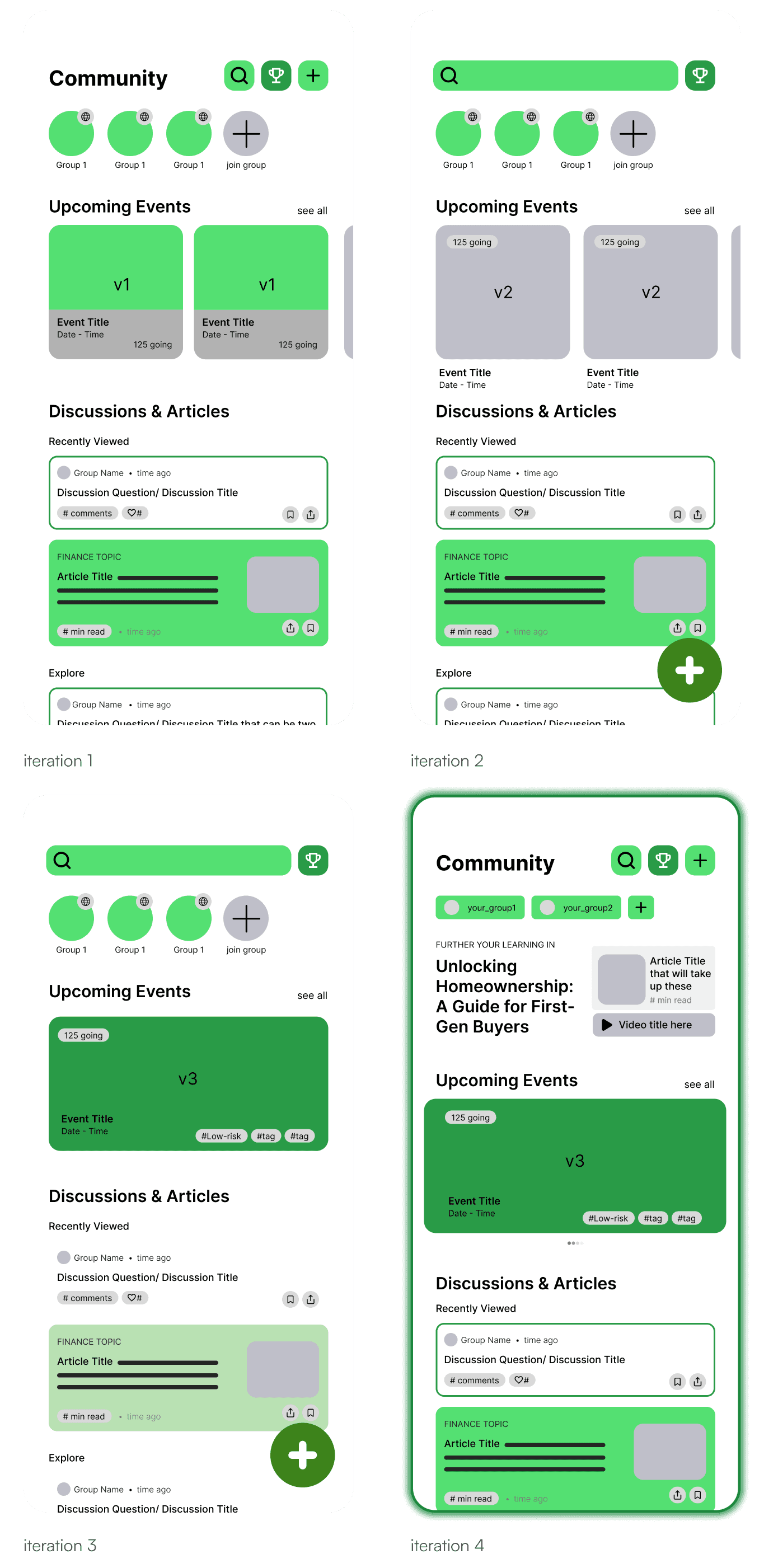
Since there are so many elements to consider and such limited mobile real estate, I had to be strategic with what should be shown upon landing.
Through feedback reviews from SWE's , different layouts were explored until three key changes were finalized and we landed on iteration 4.
Final dashboard
[dashboard]
Final improvements were done through usbaility testing from 6 users and 2 peer designers' feedback.
01 COMMUNITY DASHBOARD
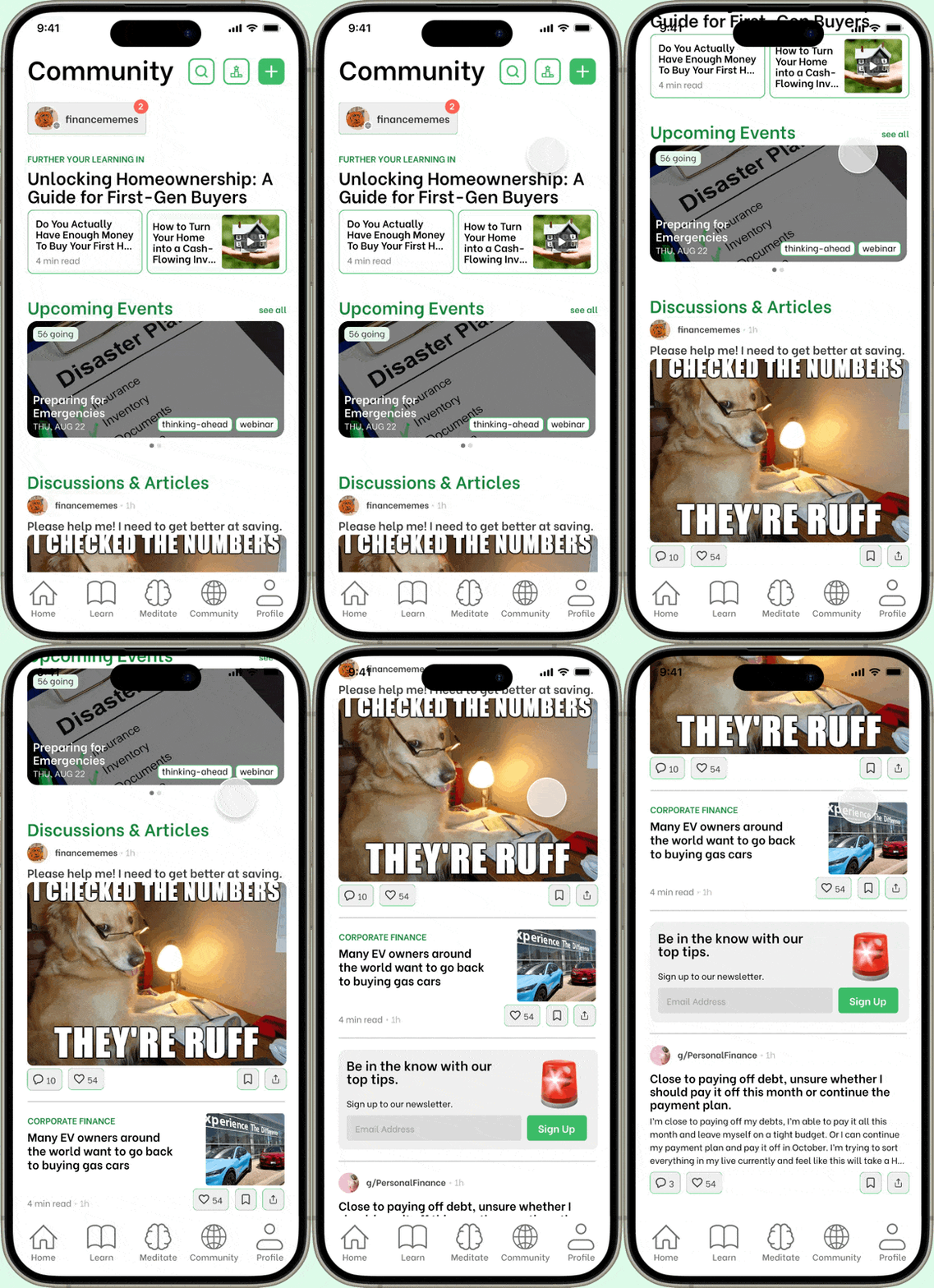
A community dashboard that keeps you stimulated
Explore new, engaging ways to continue your financial learning. From reading relevant articles suggested just for you to finding the right solution to your financial problem, all community elements are there in one page.
Small group accountability research
[leaderboard]
To further encourage continuous learning, my second goal was for users to be kept accountable in small group settings… but I wanted to investigate this idea further through research!
Collaborating with UX Researcher, Kaylee, market analyses and a competitive analysis was conducted to directly inform my ideas.
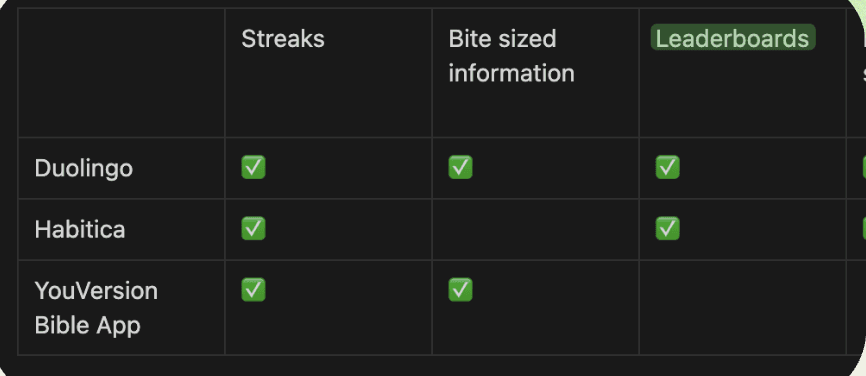
Small group learning is best done competitively vs collaboratively
Users gain more gratification from winning against people they actually know
A leaderboard page against friends is effective and popular
Aligning with the team through validation
[leaderboard]
Within the weekly internal design reviews, I validated my ideas with cross-functional stakeholders — a UX researcher, SWE, and 2 UX designers.
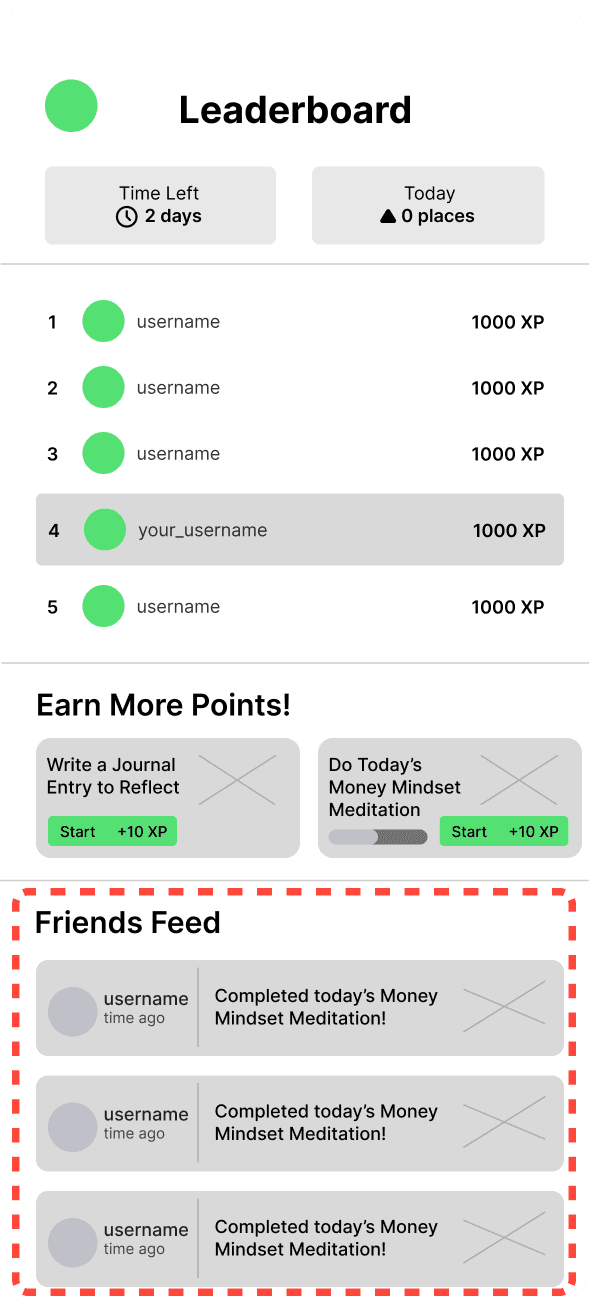
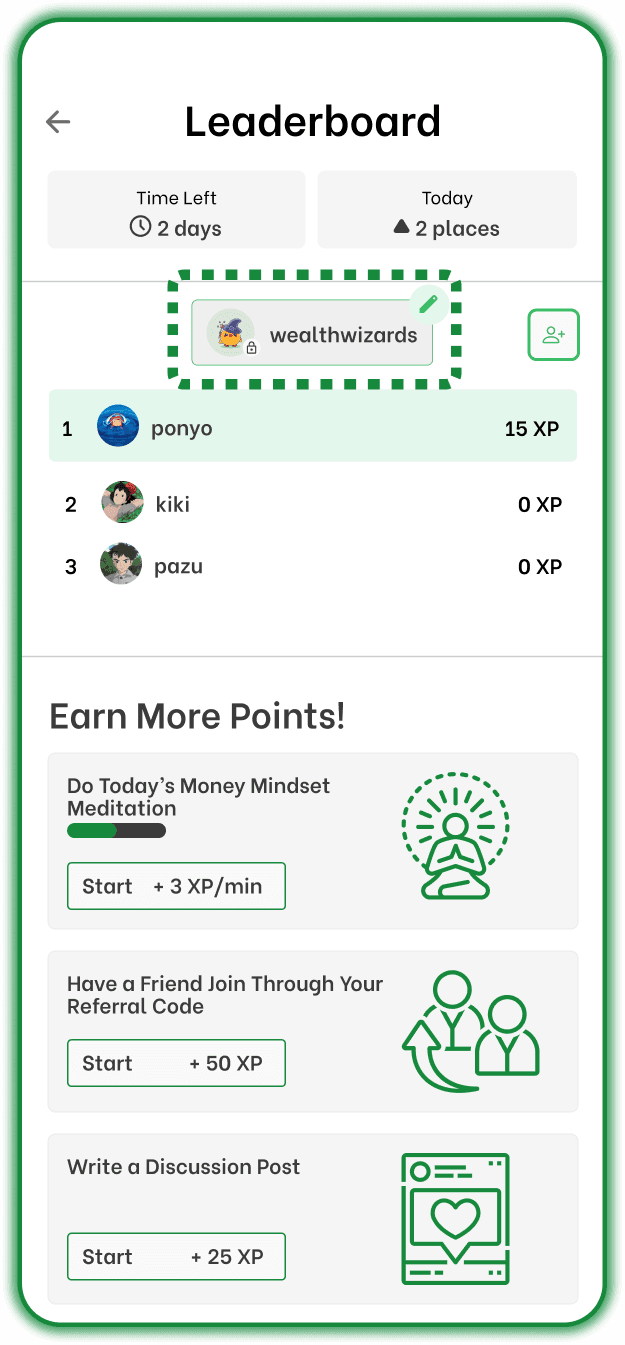
Their feedback allowed everyone to align on the leaderboard's main goals — user motivation to take action and increased friend interaction. These goals helped me further develop my prototypes:
FRIEND'S FEED
BEFORE
AFTER
Final leaderboard
[leaderboard]
Final improvements focused on a seamless flow of completing an activity into an updated leaderboard page.
02 LEADERBOARD

A leaderboard page that's ready for you to level up
Get easy access to your private friend group for deeper conversations, and immediately start your next activity to gain a leg up in the competition.
PAIN POINT #2
Users feel alienated during financial hardships
HIGH-LEVEL GOALS
Each user's specific financial struggles should be supported and addressed.
FOLN's community should be built through easy-to-access peer support and communication.
💡 IDEA
Discussion forums will help users find relevant, solution-oriented support from others they can connect with.
Gamification would further encourage peer engagement.
When do users feel most alienated?
[discussion forums]
Although the CEO and I aligned on adding a discussion forum, I wanted to validate how it would support the user’s journey.
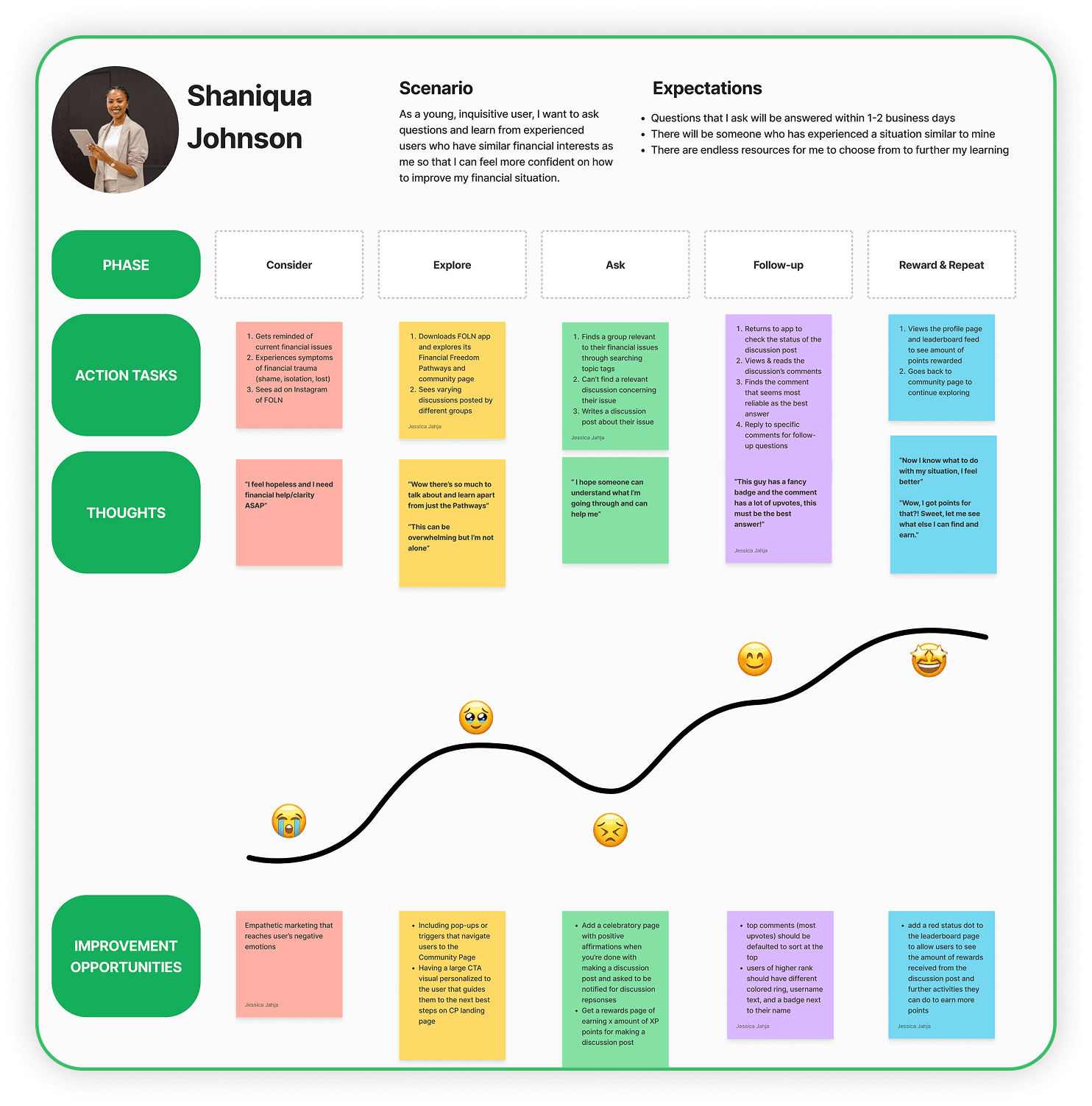
A user journey map was created to understand where alienation can be resolved and identify gaps/missing opportunities that can be catched now versus later.
🔍 TAKEAWAY
Users feel most alienated when submitting a discussion post and when waiting for a response. These moments of emotional lows should be addressed.
Let's raise those emotional lows through reward & system feedback
[discussion forums]
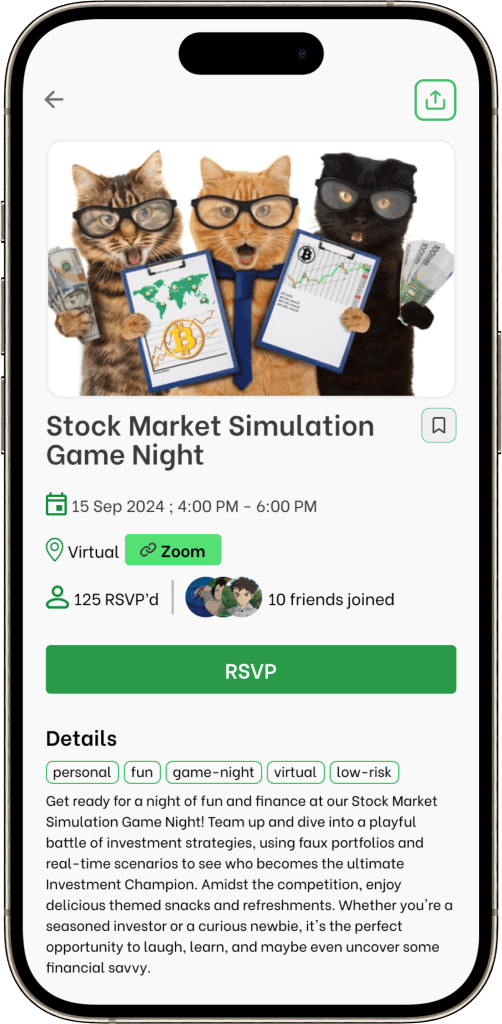
I used that opportunity to reduce this emotional low of anxiously waiting by adding a celebratory page after users create a discussion post.
Discussing with UX researcher Kaylee validated my idea — celebratory pages provides a sense of accomplishment.
Bonus function: We can further ease confirmation uncertainty by giving users system feedback through (optional) push notifications for discussion responses.
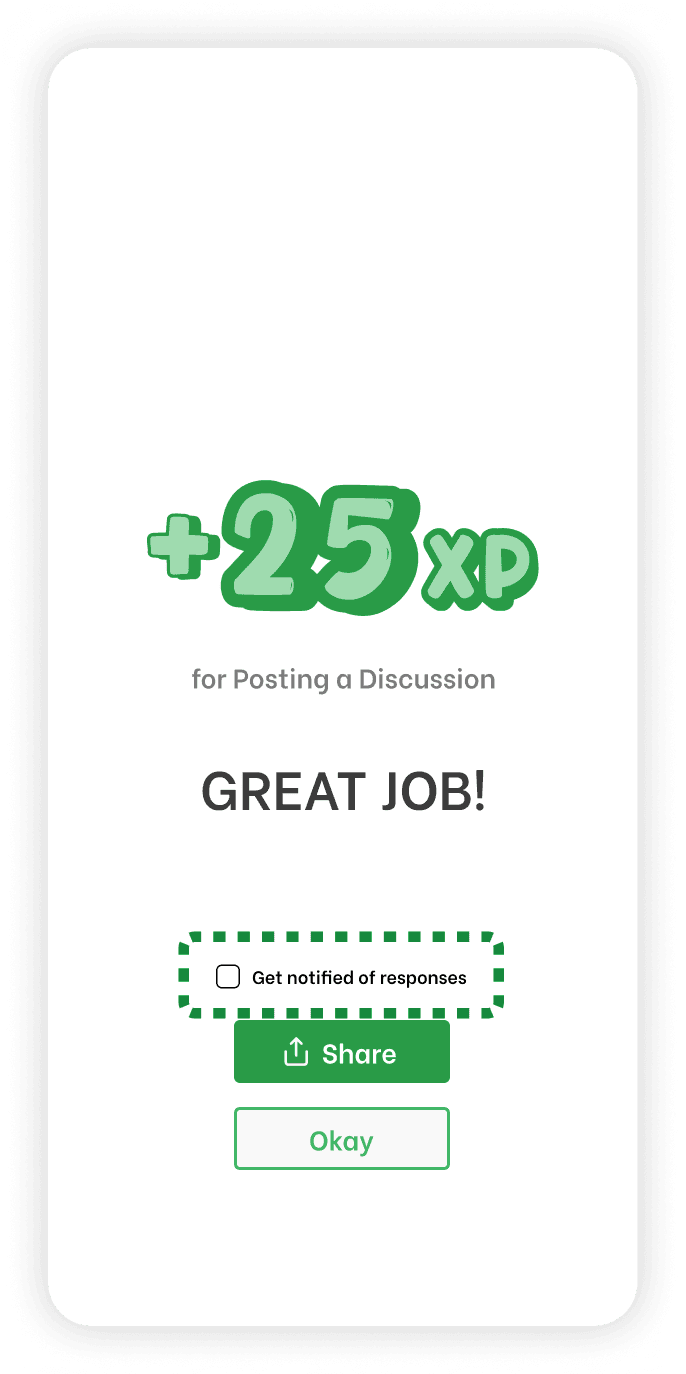
PUSH NOTIFICATIONS
Complex design patterns should feel familiar
[discussion forums]
Discussion posts can easily look overwhelming and confusing, scaring users from active participation. Thus, I took inspiration from Reddit — the role model of all discussion post products— to ensure UX familiarity.
Designs of comments, thread distinction, and adding-a-comment flow were iterated and validated through usability testing.
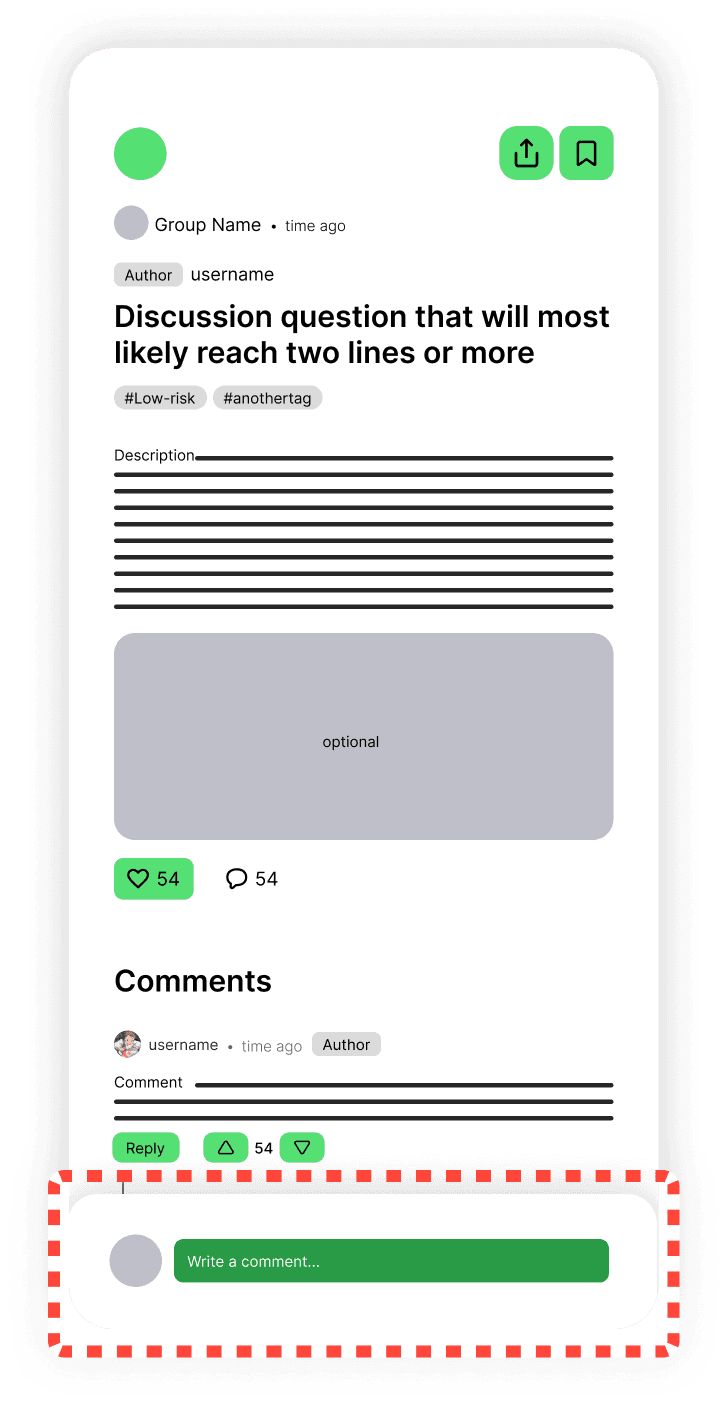
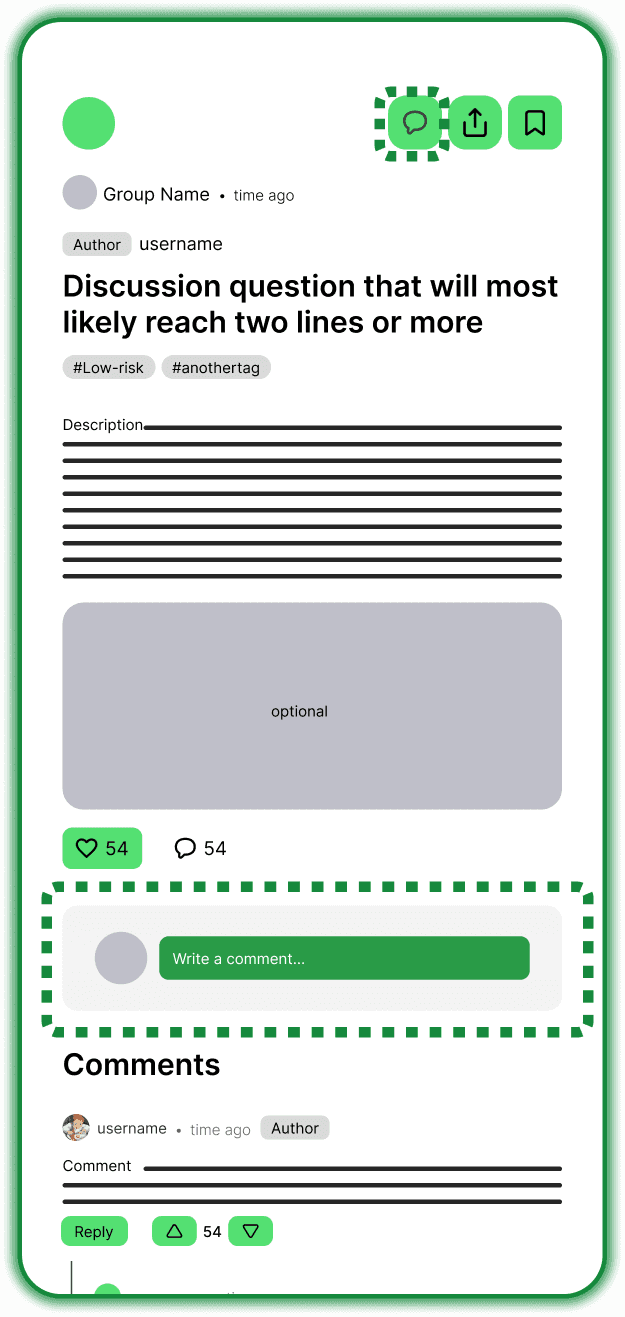


Gamification badges pushes engagement
[gamification]
The team and I agreed that gamification will further push user engagement. This was backed by Kaylee's UX research where she discovered a massive opportunity:
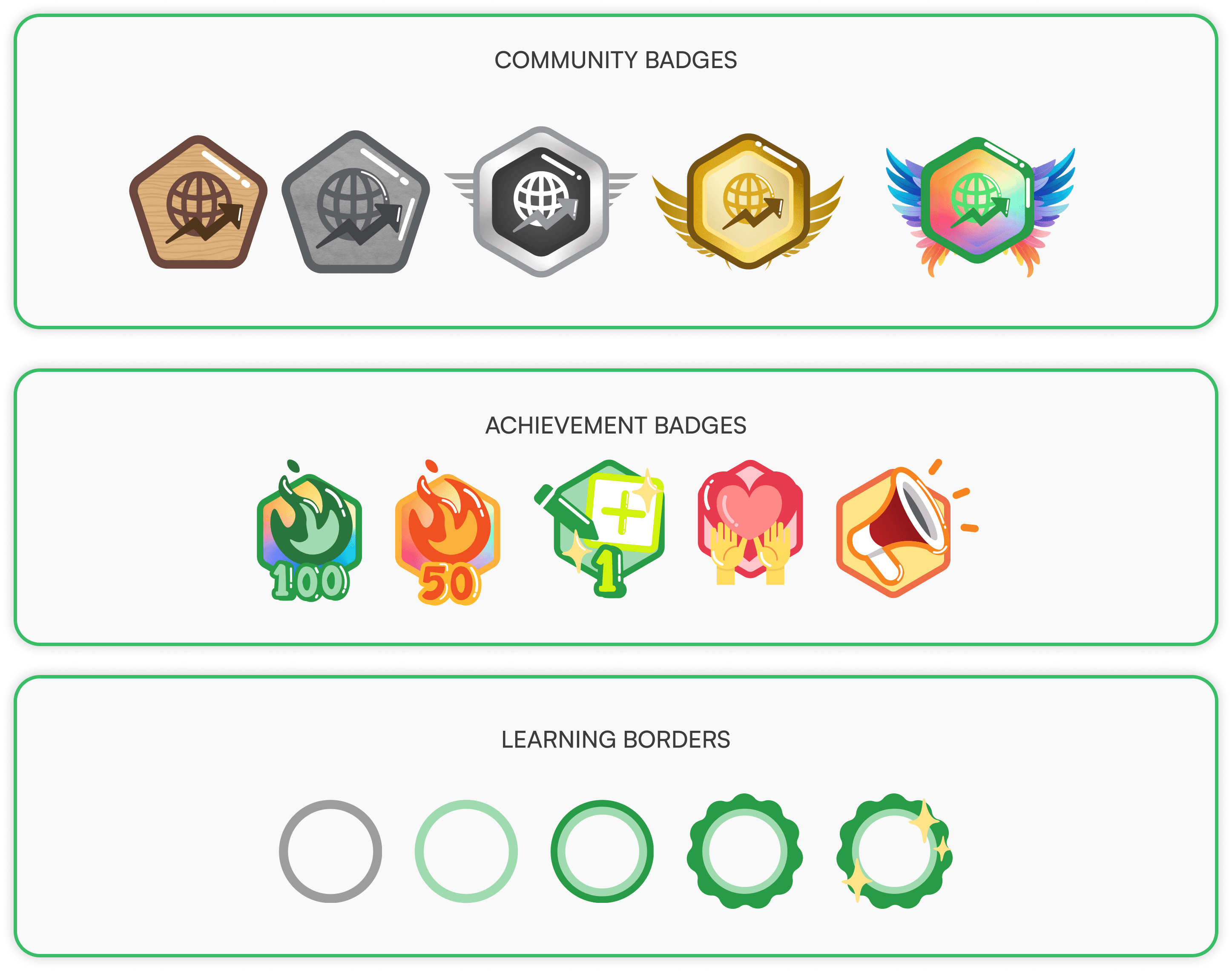
Final discussion page & gamification badges
I integrated the gamification badges into the discussion forums and leaderboard page. Through final usability testings, users validated that they were curious about earning badges.
03 DISCUSSION FORUMS w/ GAMIFICATION BADGES

Ask away and ease your stress in Discussion Forums
Find solutions to your specific financial needs from real peers. See who is most reliable through their badges, and earn your own in the community!
the results

25+ new prototype screens and 10 design system patterns designed and documented.
Spearheading FOLN's communiy pages allowed me to create 10 new design patterns to FOLN's design system and over 25 prototypable screens ready to be built in code. While not yet shipped, my designs will guide future mobile development. In my handoff to the CEO, she praised the polish and scope achieved in 3 months.
lessons
Stakeholders don’t always know what they exactly want. My designs should help with that.
Stakeholders can have a vision but its up to me, as a designer, to evolve and help establish the product's concepts, features, requirements, etc. My design iterations helped push the project forward, allowing me and the CEO to flesh out the product's ideal look/features together.
Business goals lead to more intentional, strategic designs.
Business goals pushed me to balance usability, aesthetics, and intended user actions. I had to be strategic about what users saw and what I wanted them to do, while still prioritizing a user-friendly product. This made me think about design on a whole nother level.